

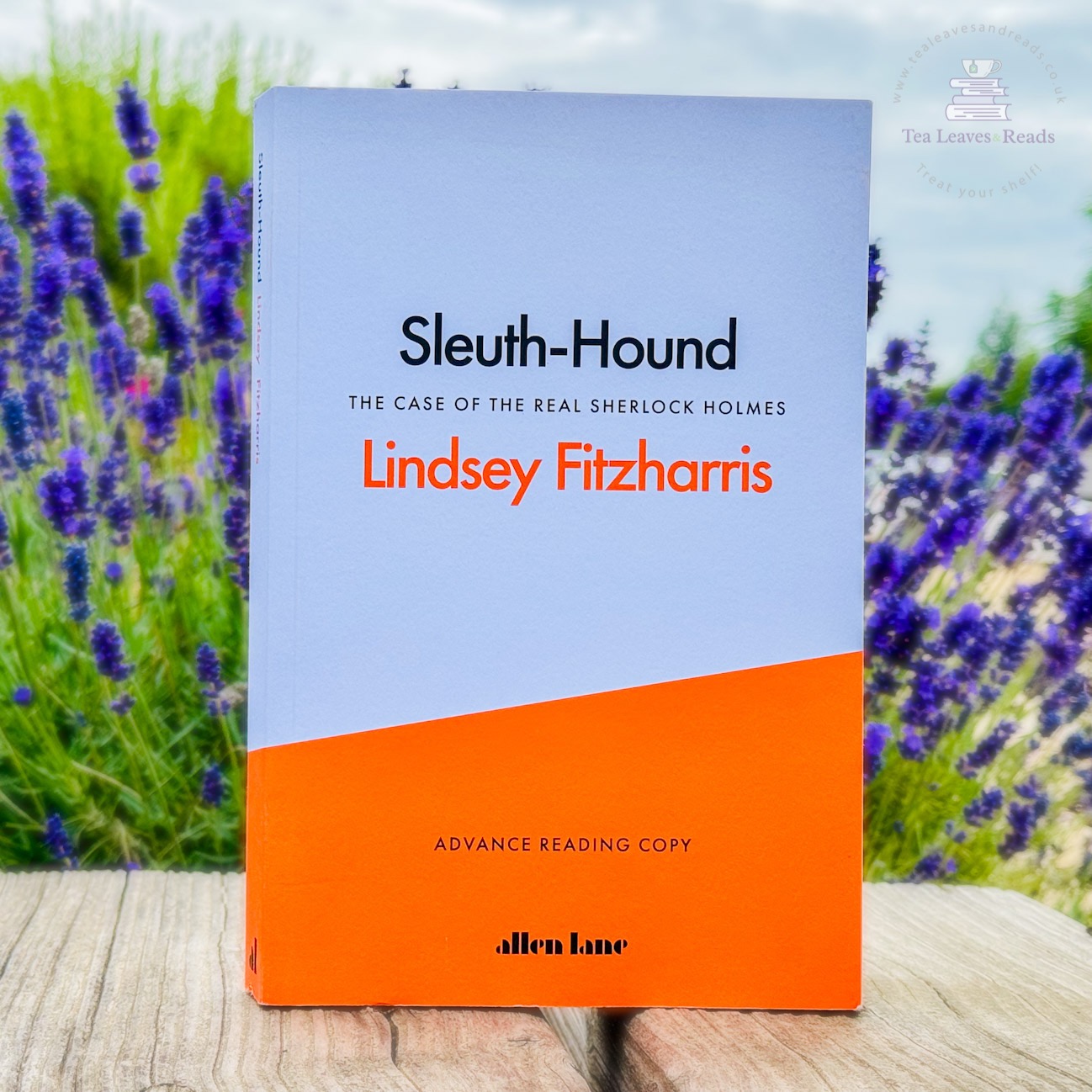
From the bestselling author of The Butchering Art and The Facemaker comes the astonishing true story of Joseph Bell, the Scottish surgeon whose extraordinary talent for detection inspired Sherlock Holmes. With thanks to Jo for the below review!
This is not fiction – the stories and investigations in this book are all real. It tells the fascinating story of the birth of forensic science in the late 1800s, centring on one remarkable man: Joseph (“Joe”) Bell of Edinburgh.
Bell was a qualified doctor who taught and practised at the Edinburgh Royal Infirmary. He was renowned for his extraordinary powers of observation, studying everything from the way patients walked and spoke to the marks on their hands and clothing. From these seemingly small details, he could often deduce who they were, where they had been, and what was wrong with them. If that sounds familiar, it should – Bell was the inspiration for Sherlock Holmes. A young Arthur Conan Doyle studied under him and later worked as his assistant while earning money to complete his medical studies.
The book goes far beyond Bell’s story. It explores real criminal investigations from Edinburgh and beyond, even including a chapter on Jack the Ripper. It also introduces many of the pioneers who helped shape modern forensic science, developing techniques involving ballistics, fingerprints, and early – sometimes rather impractical – methods of body mapping as police searched for more reliable ways to identify suspects.
The many real-life cases are fascinating and clearly explained, showing how medical experts became increasingly important in criminal trials by providing evidence based on science rather than speculation.
I also really enjoyed learning more about Arthur Conan Doyle himself – his career as a doctor, how he turned to writing, and how the phenomenal success of Sherlock Holmes eventually became something of a burden for him.
This is a thoroughly researched book that never feels heavy or academic. The stories, people, and cases are so engaging that it remains an easy and enjoyable read throughout. I found it both informative and entertaining, especially as it covered a subject I knew very little about beforehand.
I would highly recommend this book to readers who enjoy true crime, Sherlock Holmes, forensic science, or history. It’s an absorbing look at how modern criminal investigation began and the remarkable people who made it possible.
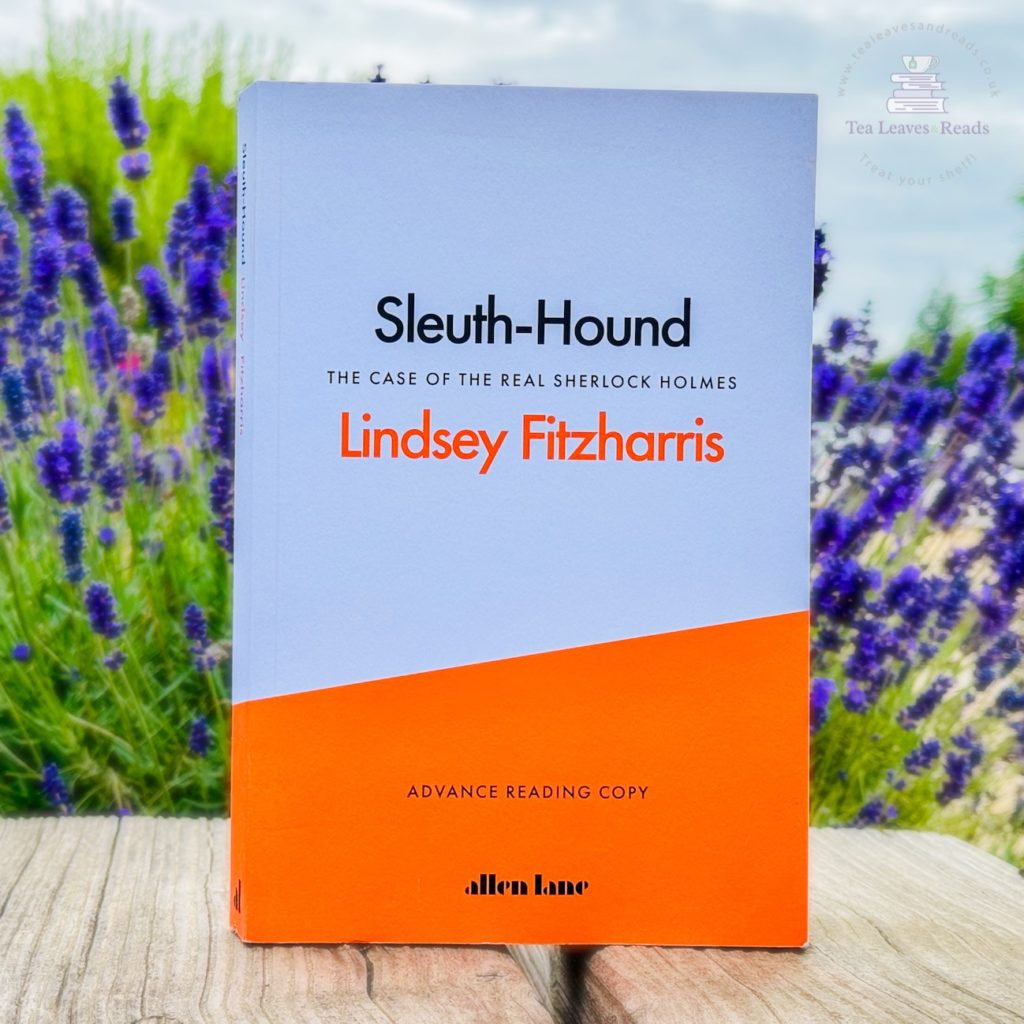
About the Book
Edinburgh, 1878. A medical student squeezes into the Royal Infirmary’s packed operating theatre, eager to catch a glimpse of his celebrated professor―a man whose uncanny powers of observation blur the line between diagnosis and detective work.
That man was Joseph Bell. With a flair for the theatrical and an eye for clues hidden in the tiniest details, Bell astonished his students with lightning-fast deductions about his patients’ lives. Though he considered his methods to be quite ‘elementary’, they captured the imagination of his audience – including his prized student, a young Arthur Conan Doyle, who would eventually abandon his medical career in order to create the fictional detective Sherlock Holmes.
In Sleuth-hound, award-winning historian Lindsey Fitzharris guides us through the smog-choked alleys and crowded slums of Victorian Edinburgh to recount the untold story of the man who inspired literature’s most iconic sleuth. Bell’s talent was so formidable that he was called upon to investigate criminal cases and, alongside Edinburgh’s chief police surgeon, worked on some of the highest profile murders of the century, including Jack the Ripper. Together, the two men pioneered a new era of forensic science to crack crimes.
By scrutinizing a scratch on a desk, a trace of cigar ash, or the slightest peculiarity of a man’s gait, Bell could turn the smallest clues into revelations. The result, as Sleuth-Hound grippingly shows, changed medicine, literature – and detection – forever.
About The Author
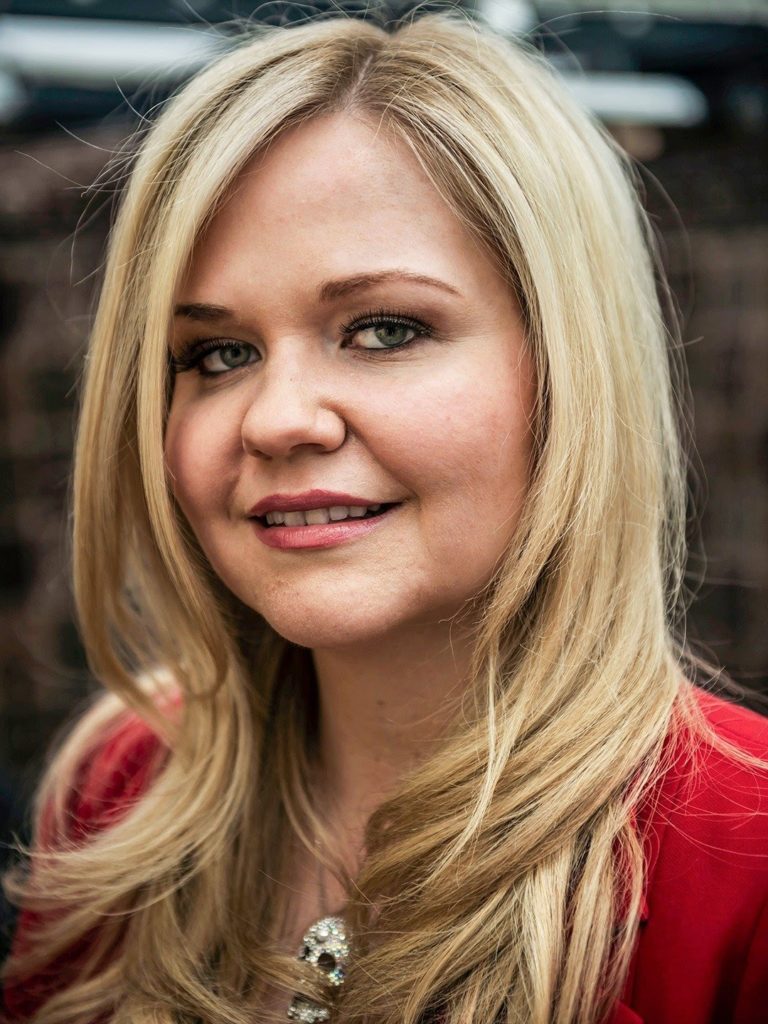
Lindsey Fitzharris is a New York Times bestselling author and medical historian who brings the grisly, surprising, and deeply human history of medicine to life. She is the author of The Butchering Art―winner of the PEN/E.O. Wilson Prize for Literary Science Writing and shortlisted for the Wellcome Book Prize and the Wolfson History Prize―and The Facemaker. She holds a doctorate from the University of Oxford and appears regularly on CNN, BBC, C-SPAN, and NPR.
Purchase the Book
This book can be pre-ordered in our store either on its own or in a cosy Book Box. Publishes 20th October 2026.

No responses yet